
Why Mouth Breathing in Children Matters (and How to Gently Support Change)
You may have noticed your child breathing through their mouth — while sleeping, watching something quietly, or even at rest during the day.
This is more common than many parents expect. In most cases, it isn’t something to worry about immediately. But it is something worth understanding, because breathing habits can gradually influence how a child sleeps, feels, and develops.
Why breathing through the nose matters
The body is designed to breathe through the nose. When a child breathes this way, the air is filtered, warmed, and gently regulated before it reaches the lungs.
This supports more stable breathing patterns, especially during sleep. Over time, it also contributes to balanced oxygen exchange and plays a role in how the face and airway develop.
These are not dramatic effects — just small, consistent advantages that build quietly.
A simple way to understand the difference
Breathing through the nose and breathing through the mouth are not the same for the body.
When a child breathes through the nose, the air is gently filtered and prepared before reaching the lungs. This helps support the body’s natural defenses and creates a more balanced breathing pattern.
It also supports how the mouth develops. When breathing happens through the nose, the tongue naturally rests against the roof of the mouth, which helps guide the growth of the upper jaw in a stable, healthy way.
When breathing shifts to the mouth more often, some of these processes are bypassed.
Because the air is no longer filtered in the same way, the body may rely more on tissues in the throat for protection, which can sometimes make nasal breathing more difficult over time.
At the same time, the tongue tends to rest lower in the mouth. Over time, this can influence how the jaw and teeth develop — sometimes leading to less space for teeth or a narrower upper jaw.
These changes happen gradually and are shaped by everyday habits. They are not something to worry about — but they are helpful to understand.
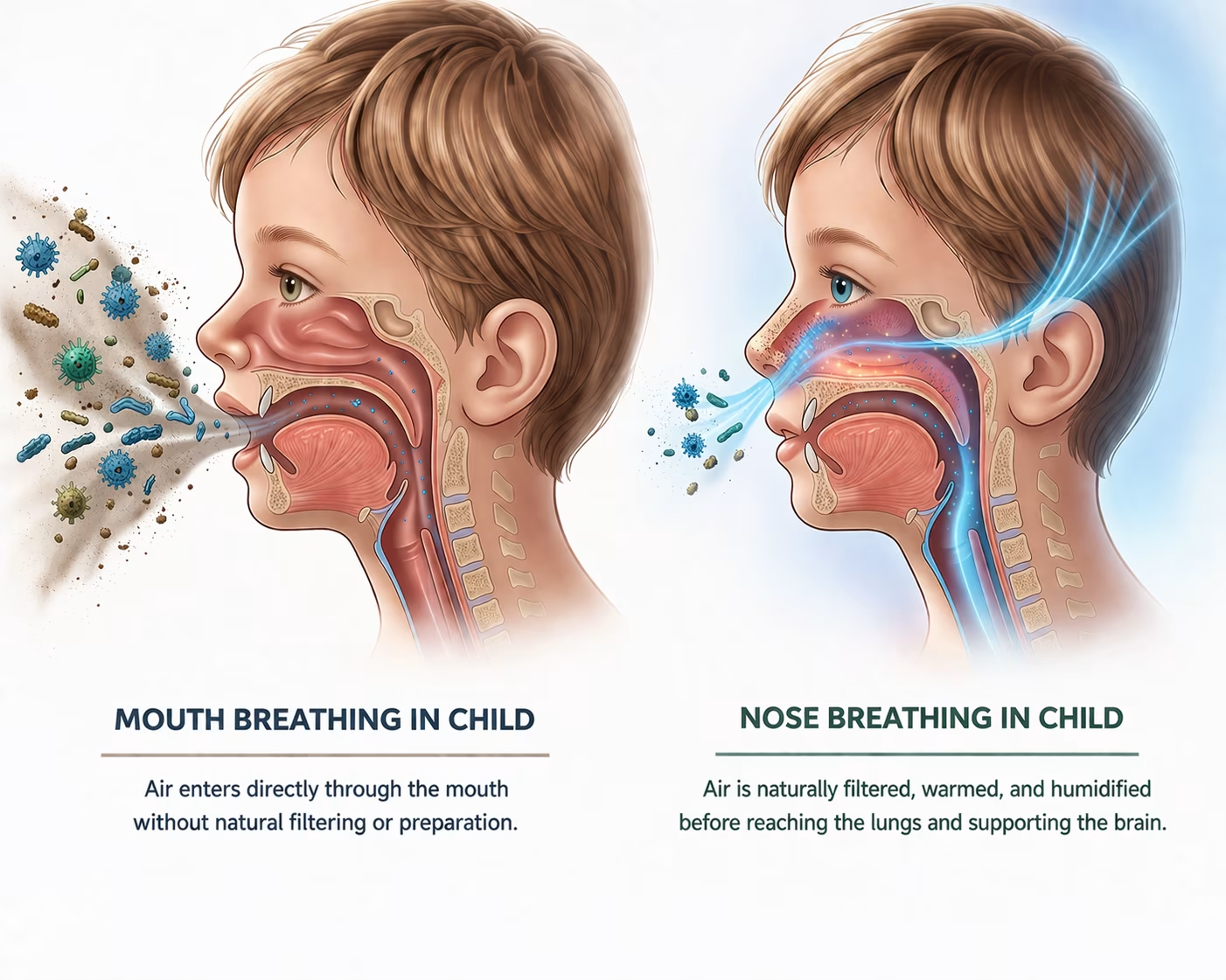
A small shift in breathing can make a meaningful difference over time.
What changes with mouth breathing
When breathing happens through the mouth more often, some of the body’s natural processes are bypassed.
You might notice subtle differences over time, such as lighter sleep, a dry mouth in the morning, or difficulty maintaining calm focus during the day. Some children also develop patterns where the lips remain slightly open at rest.
These are not problems in themselves. They are simply signs that the body may benefit from gentle support.
What is happening in the body
Breathing is closely connected to the nervous system. When breathing becomes less regulated, the body can remain in a slightly more alert state, even during rest.
Over time, this may influence how deeply a child sleeps, how easily they relax, and how the immune system responds. It is usually a gradual shift, not something that appears suddenly.
Research has shown that breathing patterns are linked with sleep quality, attention, and overall development — which is why small habits can matter more than they seem.
What to observe
There is no need to look for problems or diagnose anything. Simple observation is enough.
You might notice:
- an open mouth at rest
- snoring or slightly noisy breathing during sleep
- dry lips or a dry mouth, especially in the morning
- a tendency toward tiredness, even after sleep
- occasional mouth odor
- darker areas under the eyes
If these patterns appear regularly, it may be a good moment to bring gentle awareness to breathing.
Why it matters over time
When mouth breathing becomes a long-term habit, the body adapts to it.
In some children, this can influence posture, the position of the tongue, and the way the jaw develops. It may also be linked with lighter sleep or reduced restfulness.
These changes develop gradually and can often be supported early with simple, consistent habits.
Supporting change, gently
Children do not need correction — they respond best to guidance.
Small, calm steps are enough.
You can occasionally remind your child to keep their lips softly closed and breathe through the nose. It helps to keep this light and natural, without pressure.
Playful cues can also work well. Asking a child to “smell a flower” or take slow, quiet breaths through the nose can easily build awareness.
Moments before sleep, reading time, or quiet play are often the best opportunities to introduce these habits.
A supportive option
Some families choose to introduce small tools that help reinforce awareness.
When used during calm, supervised moments, they can support the natural habit of nose breathing and make it easier for children to stay consistent.
These tools are not a solution on their own — they simply support the process.
A long-term perspective
Breathing is something a child does every moment of the day. Because of that, even small changes can have a meaningful effect over time.
There is no need to rush or change everything at once.
A few moments of awareness each day are often enough to begin.
Next step
You don’t need to change everything at once.
Small, gentle reminders during the day and a calm evening routine are often enough to begin.
Some families also choose simple tools that help children become more aware of keeping their lips softly closed during sleep.
Explore gentle support for breathing →
Frequently asked questions
Is mouth breathing normal in children?It can happen occasionally, especially during illness. If it becomes a regular pattern, it is worth gently supporting nose breathing.
Can mouth breathing affect sleep?It may be associated with lighter or less stable sleep, which can influence how rested a child feels.
How can I help my child breathe through their nose?Start with small, calm reminders and simple breathing games. Consistency matters more than intensity.


