Learn About Nose Breathing
Learning to breathe well is one of the simplest ways to support a child’s calm, healthy growth.
Nose breathing isn’t just about air — it’s about balance.
Learn About Nose Breathing
Learning to breathe well is one of the simplest ways to support a child’s calm, healthy growth.
Nose breathing isn’t just about air — it’s about balance.

Nose-breathing shapes how the body rests, how the face develops, and how clearly the mind can focus.
When a child breathes through the nose, every system in the body works together in quiet harmony.
At BreatheBuddies, we believe small, calm habits build lifelong awareness — and that with gentle attention, every child can rediscover the natural rhythm they were born with.
Why It Matters
Modern life often asks children to sit still for long hours — in school, at a desk, or in front of screens.
Over time, this stillness, together with open-mouth concentration or blocked noses from allergies or colds, can shift breathing patterns from the nose to the mouth.
Mouth breathing may seem harmless, but over time, it can gently affect how a child feels and grows:
- Dryness and irritation in the mouth and throat
- Less oxygen balance, which can lead to lower energy or restlessness
- Changes in posture or jaw growth, as the tongue rests lower in the mouth
- Shifts in facial development occur as the body adapts to breathing through the mouth instead of the nose
- Lighter sleep, sometimes with snoring or open-mouth rest
When the tongue no longer supports the upper palate, the lower jaw may gradually move downward and forward, and over time, this can influence teeth alignment, bite stability, and even the balance of head and neck posture.
These changes happen slowly — not as something “wrong,” but as the body’s way of adapting to a less natural pattern of breathing.
The good news is that awareness truly helps.


What Happens
When children return to calm nose-breathing, the tongue supports the palate again, jaw and posture rebalance naturally, and breathing becomes effortless — restoring harmony throughout the body.
When children breathe through the nose:
- Air is filtered, moistened, and warmed
- The nervous system calms naturally
- The body maintains a steady oxygen and CO₂ balance
- Growth, focus, and energy follow a smoother rhythm
- Jaw, teeth, and posture develop in balanced alignment
It’s a small habit with a quietly powerful effect — one calm breath at a time.
Learn More
To understand how breathing and oral posture work together, explore these short articles we prepared:
How to Support Your Child
Awareness always starts with observation.
Notice when your child breathes through their mouth — while reading, watching TV, focusing on homework, or even resting.
You can gently explore together:
“Can you feel the air go in through your nose? How does that feel different?”
Make it playful, not corrective. Let your child feel the difference and describe it in their own words.
Moments of curiosity work better than rules — they invite confidence, not tension.
If you notice your child often has a stuffy nose, help them learn gentle cleansing routines, or consult a pediatrician or physiotherapist to explore possible causes.
Sometimes, mouth breathing begins simply because the nose is frequently blocked — and awareness is the first step to change.

Simple Daily Practices
The goal isn’t perfection — it’s presence.
Over time, these small rituals build calm, focus, and awareness that naturally stay with the child.
Read or draw together and take a few calm breaths through the nose before starting.
During quiet activities (like coloring or puzzles), notice if the lips stay gently closed
Encourage calm “giraffe breathing” or “sleepy Owi breaths” — soft games that make awareness fun.
End the day with three slow nose breaths before sleep — together.
Simple Breathing Awareness Practices
Once your child begins to notice their breath, you can explore a few quiet moments of focused awareness together.
These simple practices don’t require effort — only attention.
They help reconnect breathing, posture, and calm focus in a natural way.
Calm Observation
Sit comfortably next to your child.
Invite them to gently close their lips and simply notice the air moving through their nose — how it feels cool on the way in, and warmer on the way out.
You might say softly:
“Let’s see how quiet and smooth our breathing can be.”
Stay together for one to two minutes.
This gentle awareness is often enough to bring the breath back to its natural rhythm.
Gentle Lengthening
Once your child feels calm, count slowly together.
Inhale through the nose for a count of three, exhale through the nose for a count of four.
Keep the breathing quiet and effortless — no holding, no strain.
This exercise helps build awareness of rhythm and balance energy before rest or study.
Quiet Resting Breath
At the end of the day, during reading or bedtime, place a hand lightly on your child’s belly.
Feel the rise and fall of each breath together.
Encourage slow, steady breathing through the nose with closed lips — calm, natural, unforced.
A few quiet moments like this help the body and mind settle before sleep.
Awareness grows in stillness.
Each calm breath teaches presence and ease.

As awareness grows, gentle tools can help remind children of their new habit.
Gentle Tools & Awareness
BreatheBuddies was designed with children in mind — safe, soft, and playful enough to support calm nose breathing during quiet, supervised moments like reading, drawing, or resting.
Its light adhesion and gentle materials make it a comfortable choice for sensitive skin.
Although created for children, BreatheBuddies can also be used by adults who want to reawaken calm, natural breathing patterns.
There’s no upper age limit — only a lower one: we recommend use from age 5 and up, when children can understand and participate in calm breathing practice.
It’s not a correction — it’s a gentle reminder.
A small, safe way to support what nature already intended.
For Families Who Learn Together
As children grow more curious, awareness becomes play.
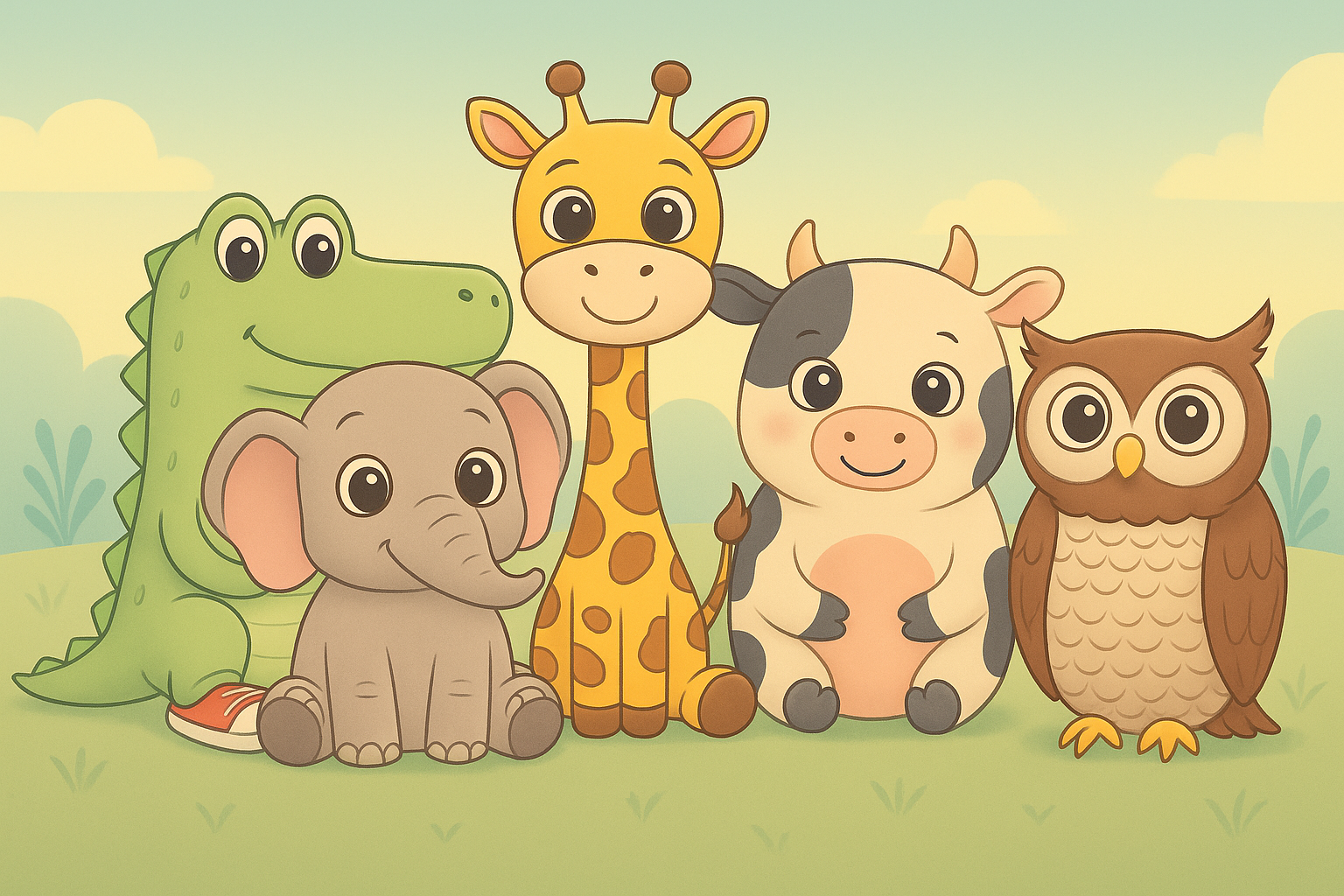
We’ve created a special section where little ones can explore calm breathing through the world of the BreatheBuddies — gentle characters that make mindful practice feel natural and fun.
It’s calm, safe, and designed for shared moments of discovery.